Copyright Rijana
Diabetes is not a rare phenomenon in cats
You encounter this most often in older cats (10 yrs. & older) and obese cats. Diabetes is caused because the body (the pancreas) produces too little insulin, insulin is a hormone that ensures that the body can properly absorb the sugar.
Because the body cannot absorb the sugar, the cat will feel very unwell and you get an increased concentration of sugar in the blood.
As a result, the body will start to excrete the sugar through the urine, which results in more urinating and therefore also more drinking.
In addition, the cat will start to eat more due to the enormous sugar shortage in its organs.
Symptoms: drinking a lot, urinating a lot, hunger, weight loss and vomiting.
Usually it is first checked whether the urine contains an increased concentration of sugar. The definitive diagnosis is made when an excessively high
glucose level in the blood is demonstrated.
If this is the case, you will have to start treating your cat with insulin so that the sugar is absorbed by the body again.
For this, you will have to go to the veterinarian a number of times in the beginning so that he can determine the correct amount of insulin. Cats can
only be treated with an injection, which must be given every day (very important!) at the same time. Regular check-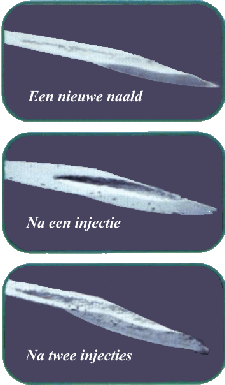
I know that many people reuse the needles, but perhaps after seeing the photo, they will reconsider that decision.
Cats can have several fertile (in heat) periods per breeding season. Each period of being in heat lasts between 5-
within 24 hours. The breeding season of cats in the Northern Hemisphere runs from early spring to autumn (March-
You can tell from a number of signs that a cat is in heat. These signs can vary between breeds and even between individual cats.The signs can be: the famous calling
(the loud meowing), increased appetite, restlessness, rolling on the floor, being very affectionate (even demanding it..) and spraying urine around and in the house.
If the cat is not mated and does not become pregnant, she can repeatedly become in heat every 2-
This means that if your cat comes into heat, you cannot simply solve this by keeping her locked up in the house until it is over! Your cat will become in heat practically every month, unless you proceed to sterilization!
Pregnancy in cats usually lasts 63-
Anything between 58-
Sometimes pseudopregnancy occurs in cats. In this case the cat shows symptoms that look very much like those of a pregnancy.
This is due to temporarily increased hormone levels. This condition can last several weeks and will then gradually slowly disappear.
Care during pregnancy
A young and healthy pregnant cat usually requires little special care. Extra attention to her diet is important.
She may suffer from nausea and morning sickness for a few days, about halfway through her pregnancy, due to hormonal changes. She may show a decrease in appetite and she may even stop eating completely a few days before giving birth.
If she does not eat for more than a few days, it is advisable to contact your veterinarian. You should never treat a cat with medicines unless your veterinarian instructs you to do so. This is especially important during pregnancy, when even over-
Any suspicion of pregnancy you should report to your veterinarian before any medicines are prescribed.